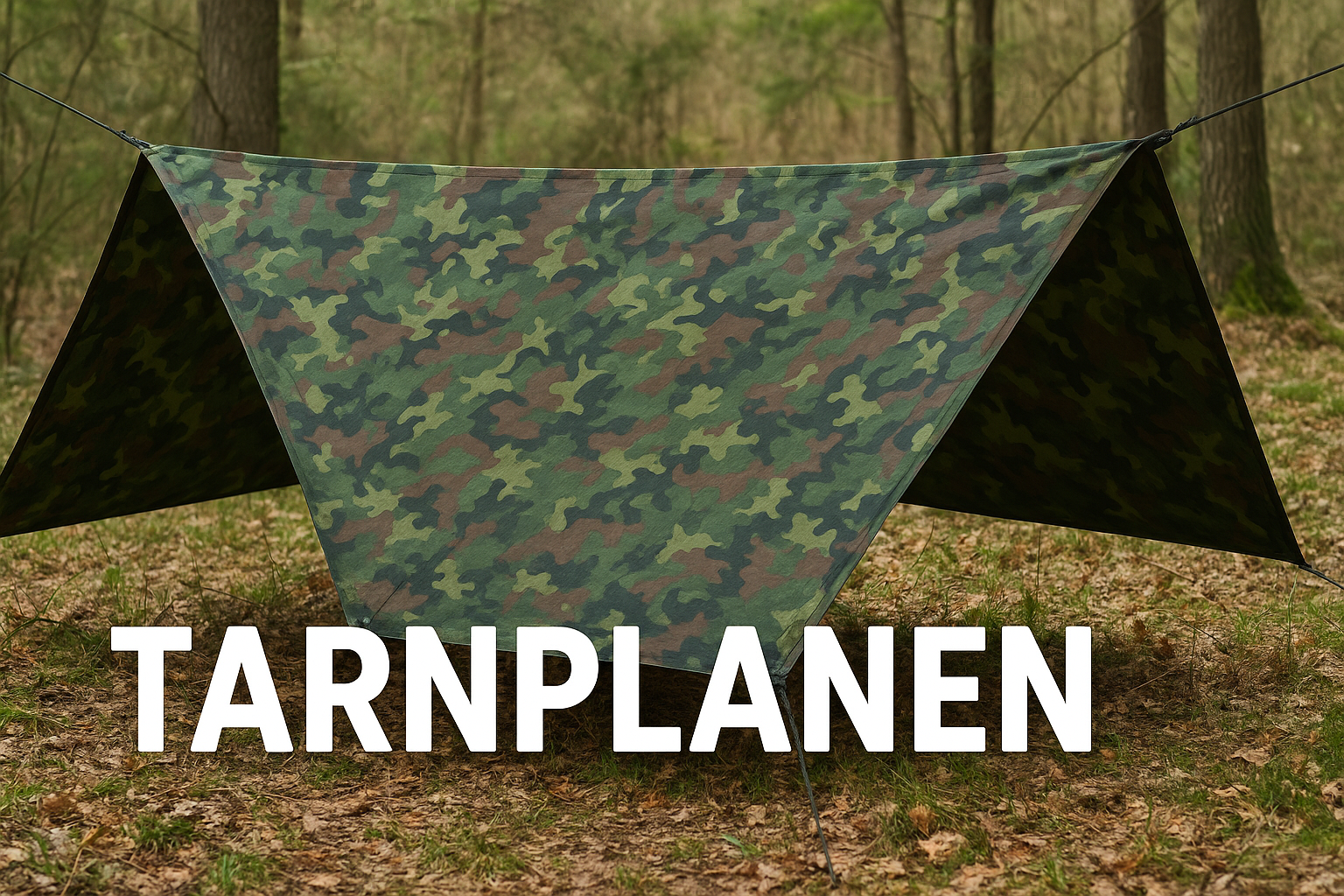
Tarnplanen: The Complete Guide to Camouflage Tarps, Uses, Materials, and Care
Discover everything about tarnplanen — their purpose, practical uses in camping, military, and daily life, materials, buying tips, and care guide. Learn how to choose and use the best camouflage tarp.
What Are Tarnplanen?
The word tarnplanen comes from German — “tarn” meaning camouflage, and “planen” meaning tarps or covers. In simple terms, tarnplanen are camouflage tarps designed to hide and protect people, gear, or positions from both view and weather.
Unlike ordinary tarps, tarnplanen are made with smart camouflage patterns that blend with natural environments — forests, deserts, snow, or urban zones. They also offer strong resistance against rain, sunlight, wind, and dirt.
In essence, a tarnplane (singular) is not just a cover. It’s a multi-purpose piece of gear that combines concealment, protection, and durability.
Main Features of Tarnplanen
Every tarnplane has some key characteristics that make it useful for both outdoor and tactical activities:
- Camouflage design: Patterns that blend into the environment to reduce visibility.
- Waterproof material: Often made from polyester, ripstop nylon, or PVC for all-weather use.
- Reinforced corners & metal grommets: Allowing secure fastening with ropes or pegs.
- UV protection: Prevents damage from sunlight and extends tarp lifespan.
- Lightweight & portable: Easy to fold and carry for outdoor trips.
Together, these features make tarnplanen suitable for anyone who needs durable, weather-resistant coverage that doesn’t stand out.
Where Are Tarnplanen Used?
Tarnplanen are extremely versatile. They are used in military, survival, hunting, camping, and even everyday situations. Let’s look at each in detail.
1. Military and Tactical Use
In military operations, tarnplanen play a crucial role. Soldiers use them to cover vehicles, weapons, and field equipment to prevent detection from aerial or infrared surveillance.
Advanced models are often infrared-reflective or thermal-insulated, helping them mask heat signatures. This makes them ideal for modern defense or tactical training scenarios.
In addition, tarnplanen help create temporary shelters that keep personnel protected from both observation and the elements — a vital aspect in field missions.
2. Outdoor Camping and Bushcraft
In outdoor settings, tarnplanen are a camper’s best friend. Their lightweight and durable nature make them useful for multiple purposes such as:
- Groundsheet under a tent to protect from moisture
- Rain cover or roof extension for your camping area
- Emergency shelter during storms
- Windbreaker or privacy cover for outdoor rest areas
Because they blend well with natural landscapes, they also make your camping site look clean and minimal instead of bright or intrusive.
3. Hunting, Wildlife Watching & Photography
Hunters and photographers often rely on tarnplanen to stay hidden from wildlife. Animals can easily detect unnatural shapes or shiny surfaces, and a good camouflage tarp breaks these outlines.
You can use it to:
- Build a quick hide or observation post
- Conceal tripods, cameras, or equipment
- Create a covered space to wait quietly without drawing attention
A properly set up tarnplane can make the difference between spotting rare wildlife or scaring it away.
4. Civilian and Everyday Use
Even in everyday life, tarnplanen can be practical. They serve as:
- Covers for woodpiles, vehicles, or boats
- Discreet garden shade or screen
- Protection for construction tools and materials
- Backgrounds for themed events or photography
Because they don’t attract attention, tarnplanen blend naturally into outdoor spaces while still offering full protection.
Choosing the Right Tarnplane
Not all tarnplanen are made equal. When buying one, consider the following key factors:
| Feature | Why It Matters |
|---|---|
| Material | Polyester and ripstop nylon are lightweight; PVC is heavier but more waterproof. |
| Size | Choose depending on coverage needs — from small (2×2 m) to large (10×12 m) tarps. |
| Camouflage Pattern | Match the terrain — forest, desert, snow, or urban. |
| Weight & Portability | Lighter tarps are easier to pack; heavier ones offer better durability. |
| Grommets & Reinforcements | Ensure the edges are double-stitched and have strong eyelets for rope fastening. |
| Water & UV Resistance | A must for outdoor and long-term use. |
When you buy a tarnplane, think about where you will use it. For camping, you might prefer a lightweight ripstop tarp. For long-term storage or construction, a PVC-coated heavy-duty tarp might be best.
How to Properly Use a Tarnplane
Using a tarnplane effectively is easy once you understand its potential.
1. Build a Simple Shelter
Stretch the tarp between trees or poles using ropes through the grommets. Adjust the height and angle depending on the weather — low for wind, high for ventilation.
2. Protect Equipment
Lay the tarnplane over gear, bikes, or tools to protect them from rain and dust. Use bungee cords or ropes to secure it tightly.
3. Create a Groundsheet
Place it under tents or sitting areas to prevent ground moisture from seeping through.
4. Blend with the Environment
When concealment is important, avoid shiny ropes or metal parts that reflect light. Ensure the tarp edges touch the ground and mimic the surroundings.
Maintenance and Care of Tarnplanen
To extend the life of your tarnplane, proper maintenance is essential.
- Cleaning: After use, rinse off dirt with clean water. Use mild soap if needed but avoid harsh detergents.
- Drying: Always dry completely before folding to prevent mold and odor.
- Storage: Store in a cool, dry place. Avoid prolonged exposure to direct sunlight when not in use.
- Repairs: Small tears can be fixed with waterproof repair tape or patch kits.
A well-maintained tarnplane can last several years of active outdoor use.
Benefits of Using Tarnplanen
- Multi-Purpose Protection: Useful in almost every outdoor situation.
- Weather Resistance: Strong enough to withstand rain, sun, and snow.
- Portability: Easy to carry for travel, camping, or survival kits.
- Discreet Appearance: Keeps equipment hidden and surroundings natural.
- Durability: Made from reinforced materials for long-term use.
These qualities make tarnplanen a smart investment for both professionals and outdoor enthusiasts.
Common Tarnplane Patterns
Different camouflage patterns serve different environments:
| Pattern Type | Best For | Description |
|---|---|---|
| Woodland | Forested or green terrain | Classic green-brown-black mix |
| Desert | Sandy or rocky areas | Light brown and tan tones |
| Snow | Winter landscapes | White-gray pattern |
| Urban | Industrial zones | Gray-black mix for city use |
Choosing the right pattern helps your tarnplane blend more effectively into the background.
Frequently Asked Questions About Tarnplanen
1. What is the main purpose of a tarnplane?
To provide protection from weather while keeping people or gear concealed from view.
2. Are tarnplanen waterproof?
Yes. Most tarnplanen are fully waterproof or at least water-resistant depending on the material.
3. Can I use a tarnplane as a tent?
Yes, with ropes or poles you can easily set it up as a temporary tent or shelter.
4. Do tarnplanen offer UV protection?
Many modern versions include UV coatings to protect against sun damage.
5. Are they heavy to carry?
Not necessarily — ripstop nylon versions are very lightweight, while PVC ones are heavier but more durable.
6. How do I clean a tarnplane?
Use mild soap and water, rinse thoroughly, and let it dry completely before folding.
7. Can I paint or modify my tarnplane?
You can, but it may reduce waterproofing or camouflage efficiency.
8. What size should I buy?
For solo camping, 2×3 m is usually enough; for large shelters or vehicles, go for 5×7 m or more.
9. Are tarnplanen fireproof?
Standard models aren’t, but fire-retardant options are available for specific uses.
10. How long does a good tarnplane last?
With proper care, a quality tarp can last 5–10 years or longer.
Conclusion
Tarnplanen are far more than simple covers — they’re intelligent tools for concealment, protection, and versatility. Whether you’re camping in the wilderness, setting up a tactical base, or just need reliable weatherproof coverage at home, a good tarnplane offers long-lasting performance and flexibility.
By choosing the right material, pattern, and size — and maintaining it properly — you can ensure your tarnplane remains a trustworthy companion for years of outdoor adventures.